

Blog
Custom Cosmetic Boxes in 2026: Trends, Materials, Printing & Buying Guide for Beauty Brands
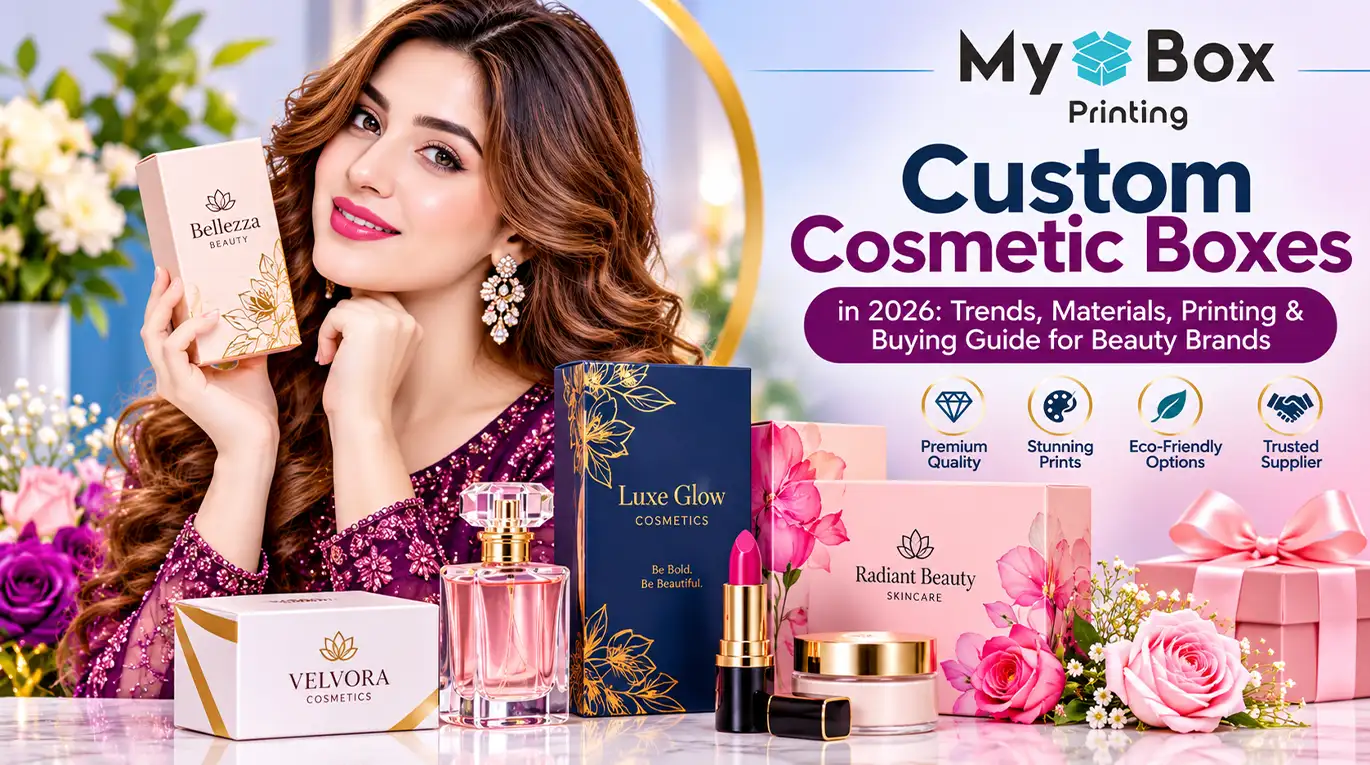
The beauty industry continues to evolve, and packaging plays an important role in how customers discover, recognise and choose cosmetic products. Whether you sell skincare, makeup, lipstick, foundation or luxury beauty products, the right packaging can help communicate your brand identity and create a memorable customer experience. Custom cosmetic boxes allow beauty brands to combine attractive designs, practical product protection and consistent branding in one packaging solution.
In 2026, beauty brands are paying greater attention to packaging materials, distinctive printing finishes, minimalist designs and more responsible material choices. Customers also encounter cosmetic products across different channels, including retail shelves, online shops and social media. Your packaging should look appealing in each setting while meeting the practical needs of your products and customers.
At My Box Printing, we understand the importance of choosing packaging that reflects your brand and suits your products. This guide explores the latest cosmetic packaging trends, available materials, printing techniques and essential buying considerations to help you make an informed decision.
Why Custom Cosmetic Boxes Matter for Beauty Brands
Packaging does more than hold a cosmetic product. It introduces your brand, communicates important information and helps customers understand what makes your products different.
When customers compare several similar products, packaging can influence their first impression. A carefully designed box can communicate luxury, simplicity, natural ingredients or professional skincare expertise before customers try the product itself.
Here are four important reasons to invest in custom cosmetic packaging.
1. Build a Recognisable Brand Identity
Consistent branding helps customers recognise your products across different sales channels. You can incorporate your logo, brand colours, typography and distinctive design elements into your cosmetic boxes to create a consistent appearance.
For example, a luxury skincare brand might choose understated colours, elegant typography and subtle metallic details. A vibrant makeup brand might prefer bold colours, expressive graphics and modern patterns.
The best design reflects your target audience and the personality of your products rather than following every passing trend.
2. Improve Product Presentation
Well-designed cosmetic boxes help your products stand out on retail shelves and in online product photography. A neat, professional presentation can also make your products more appealing for gifting.
You can use printed graphics, carefully selected colours and suitable finishes to create packaging that complements your product range.
3. Protect Products During Storage and Delivery
Cosmetic products come in different shapes and materials. Glass serum bottles, compact powder cases, cream jars and lipstick tubes all require suitable packaging dimensions and structural support.
Choose a box that fits your product properly and provides appropriate protection for its intended journey. Consider inserts or internal supports for fragile items, particularly when shipping products directly to customers.
Always test the complete packaging arrangement before placing a large order.
4. Create a Better Customer Experience
Packaging contributes to the experience customers have when they receive a product. Easy-to-open boxes, clear product information and attractive presentation can make that experience more enjoyable.
If you sell cosmetics online, consider how the box looks when a customer opens their delivery. A well-planned design can create a positive impression without adding unnecessary packaging materials.
The Latest Custom Cosmetic Boxes Trends in 2026
Cosmetic packaging trends in 2026 reflect a balance between visual appeal, functionality, material choices and brand authenticity. Rather than copying every popular design, choose trends that support your product positioning and business objectives.
1. Minimalist Packaging with a Premium Feel
Minimalist packaging remains a useful option for brands that want a clean, sophisticated appearance.
This approach uses simple layouts, restrained colour palettes, readable typography and carefully positioned branding. Instead of filling every surface with graphics, you can focus attention on your logo, product name or one distinctive design element.
For example, a skincare range might use warm white boxes with dark typography and a small metallic logo. This design creates a consistent appearance across moisturisers, cleansers and serums.
Minimalism does not have to look plain. Thoughtful spacing, high-quality printing and subtle contrasts can create a premium presentation.
2. Tactile Finishes and Subtle Luxury
Customers experience packaging through touch as well as sight. Finishes such as embossing, debossing and soft-touch coatings can introduce texture and add visual depth.
Embossing raises selected details above the surface, while debossing presses them into the material. Both techniques can highlight a logo or create a distinctive pattern.
Foil stamping can introduce metallic accents, while matt and gloss finishes can create contrast across selected areas.
The key is to choose finishes that complement the design. One or two carefully selected effects may create a more balanced result than combining too many decorative techniques.
3. Thoughtful and More Responsible Material Choices
Environmental considerations continue to influence cosmetic packaging decisions. Many brands are exploring paper-based packaging, recycled-content materials and designs that simplify disposal.
For suitable products, paperboard cosmetic boxes can provide an alternative to unnecessary outer plastic packaging. Brands can also review box dimensions and remove decorative elements that do not add meaningful value.
However, avoid assuming that every paper-based box is automatically recyclable in every location. Coatings, laminations, adhesives and other components can affect disposal options.
Check the actual material specifications and local recycling guidance before making environmental claims.
4. Consistent Packaging Across Product Ranges
Beauty brands often sell several products within the same collection. A consistent packaging system helps customers identify related products while allowing each item to retain its own identity.
You could use the same typography, logo placement and overall layout across your skincare range while changing accent colours to distinguish different formulations.
This approach also makes it easier to manage future product launches and maintain visual consistency across your packaging.
5. Packaging Designed for Online Shopping
Online customers often see cosmetic packaging in product photographs, short videos and social media posts before they receive an order.
Clear branding, strong colour contrast and distinctive design details can help your packaging appear more recognisable in these settings.
Consider how your box looks from the front, side and top. Make sure important design elements remain visible when the product appears as a small image on a mobile screen.
At the same time, prioritise practical requirements such as suitable dimensions, secure closures and protection during delivery.
Types of Custom Cosmetic Boxes for Different Beauty Products
Different cosmetics require different packaging structures. Your choice should reflect the product’s size, weight, shape, fragility and intended use.
Custom Makeup Boxes
Makeup products include eyeshadow palettes, foundation, concealer, blush and other colour cosmetics. Custom makeup boxes can showcase your branding while helping organise and present individual products.
Use suitable board strength and dimensions to accommodate the product. For sets containing several items, consider internal dividers or inserts to prevent movement.
Custom Lipstick Boxes
Lipstick packaging often uses compact boxes that display the product name, shade and brand identity.
You can use colour-coded designs to help customers distinguish shades across a collection. Clear typography and consistent layouts can also make the range easier to browse.
Check the internal dimensions carefully so the lipstick fits securely without excessive empty space.
Skincare and Cream Boxes
Moisturisers, face creams, cleansers and other skincare products often benefit from packaging that communicates the product name and key information clearly.
Choose a suitable box structure for the jar, tube or bottle. If the product comes in glass packaging, evaluate the need for additional internal support and test the complete pack during handling and delivery.
Serum and Foundation Boxes
Serum bottles and foundation containers can vary considerably in size and shape. Measure the product carefully and consider its weight, closure and fragility before selecting the box dimensions.
A well-fitted box helps maintain a professional presentation and can reduce unnecessary movement during transit.
Luxury Cosmetic Gift Boxes
Gift sets and premium beauty collections may benefit from rigid boxes or other presentation-focused structures.
These options can accommodate several products and allow brands to create a coordinated unboxing experience. Consider the complete set, including inserts, outer packaging and any additional components, when assessing the overall cost and material requirements.
How to Choose the Right Material for Custom Cosmetic Boxes
Material selection affects appearance, durability, printing quality and cost. Before choosing a material, consider your product’s weight, packaging dimensions, intended sales channel and brand positioning.
Folding Carton Board
Folding carton board suits many individual cosmetic products, including lipstick, skincare tubes and selected makeup items.
It offers a printable surface for logos, product information and decorative graphics. Its foldable structure can also support efficient storage and packaging operations.
Choose an appropriate board specification for the product and the conditions it will encounter.
Kraft Board
Kraft board offers a natural, understated appearance that can suit skincare, handmade cosmetics and brands that prefer earthy visual identities.
You can use simple typography, restrained graphics and carefully chosen colours to complement its appearance.
However, kraft board does not automatically make a product environmentally superior. Review the material’s actual composition, sourcing information and disposal requirements before making sustainability claims.
Rigid Board
Rigid board provides a sturdy structure that works well for luxury cosmetic gift sets, promotional collections and premium presentation boxes.
Brands can combine it with printed wraps, inserts and selected decorative finishes to create a more substantial presentation.
Rigid packaging may require more material and cost more than a standard folding carton, so assess whether its benefits justify the additional expense for your product.
How to Select the Best Material
Use the following checklist when comparing materials:
- Product weight: Select a structure that supports the product without unnecessary bulk.
- Fragility: Consider suitable inserts or protective features for glass bottles and delicate items.
- Printing requirements: Choose a surface that supports your artwork and preferred finishes.
- Brand positioning: Match the material and finish to your intended price point and customer expectations.
- Budget: Compare the total cost of materials, printing, finishing and assembly.
- Environmental considerations: Check material specifications and realistic end-of-life options.
If you are unsure which material suits your product, request samples or discuss your requirements with your packaging supplier before committing to a large order.
Custom Cosmetic Box Printing and Finishing Options
Printing and finishing help transform a plain box into branded cosmetic packaging. Your choice should support your visual identity, product category and budget.
Full-Colour Printing
Full-colour printing allows you to incorporate product photography, illustrations, gradients, patterns and detailed brand graphics.
It works well for colourful makeup collections and skincare ranges that use distinctive visual identities.
Prepare your artwork at the required dimensions and confirm the printer’s file specifications before production. Request a proof where appropriate to review layout, text and colour expectations.
Foil Stamping
Foil stamping applies a metallic effect to selected areas, such as logos, borders or product names.
Gold, silver and other available foil colours can create contrast against the printed background. Use this technique selectively to keep the design clear and balanced.
Embossing and Debossing
Embossing raises details from the surface, while debossing presses details into it.
Both options can emphasise logos, brand names and selected graphic elements. Check the suitability of the chosen board and artwork, as very fine details may not reproduce as intended.
Matt and Gloss Finishes
Matt finishes create a restrained appearance, while gloss finishes add shine and can emphasise selected printed areas.
You can also explore combinations of matt and gloss effects where the production process supports them.
Consider how the finish affects the appearance, handling and disposal of the finished box. Confirm compatibility with the selected material before production.
Custom Inserts and Internal Supports
Internal inserts help position products within the box. They can be particularly useful for gift sets, glass containers and collections containing multiple items.
Choose an insert that fits the product securely and supports the intended packaging arrangement. Test the finished box to check that items remain in position during normal handling.
Sustainable Custom Cosmetic Boxes: What Should Brands Consider?
Sustainability requires more than adding a green colour or the word “eco-friendly” to your packaging.
Beauty brands should evaluate the complete packaging design, including material selection, the number of components, protective requirements and disposal options.
Here are some practical steps to consider.
Choose materials carefully. Ask your supplier about board composition, recycled content and relevant sourcing information. Confirm any certifications before referring to them in your marketing.
Avoid unnecessary packaging. Review the dimensions and remove components that do not contribute to protection, product presentation or essential information.
Consider recyclability. Check whether coatings, laminations, windows and adhesives affect the recycling options available to your customers.
Use accurate environmental claims. Do not describe packaging as compostable, biodegradable or recyclable unless the claim accurately reflects the material and the conditions required.
Balance sustainability with product protection. Reducing material is useful only when the packaging still protects the product adequately throughout storage, handling and delivery.
A thoughtful approach helps brands make better-informed packaging decisions without relying on vague environmental promises.
How Much Do Custom Cosmetic Boxes Cost in the UK?
The cost of custom cosmetic boxes depends on several factors, so it is best to request a quotation based on your specific requirements.
Understanding the main cost factors can help you plan your packaging budget more effectively.
Order Quantity
The number of boxes you order can influence the unit price. Larger quantities may reduce certain setup costs per box, although the final pricing depends on the production method and supplier.
Compare quotations for realistic quantities that match your sales forecasts and storage capacity.
Box Dimensions and Structure
Larger boxes generally require more material. Special structures, internal compartments and complex assembly can also affect the final price.
Provide accurate product measurements to avoid paying for unnecessarily large packaging.
Material Selection
Different board grades and rigid packaging structures have different costs. Choose a material that meets your product’s needs without adding unnecessary complexity.
Printing and Finishing
Full-colour printing, foil stamping, embossing, specialist coatings and other finishing options can affect the quotation.
Prioritise the details that contribute most to your design. A simple box with a distinctive logo and one carefully chosen finish may suit your brand better than an elaborate design with several additional processes.
Artwork and Production Requirements
Artwork preparation, proofs, inserts, assembly and delivery arrangements may also influence the overall cost.
When requesting a quotation, provide the following information:
- Product type and dimensions.
- Preferred box structure and material.
- Required order quantity.
- Printing artwork and colour requirements.
- Desired finishes and inserts.
- Delivery location and required timescale.
Ask your supplier to clarify what the quotation includes so you can compare options fairly.
How to Choose a Reliable Custom Cosmetic Packaging Supplier
The right supplier should understand your requirements and explain the available options clearly. Price matters, but you should also evaluate quality, communication and production suitability.
Check Product Specifications
Confirm the box dimensions, board specification, printing requirements and finishing details before approving production.
Provide a sample of your cosmetic product where possible so the supplier can assess the fit.
Review Artwork and Proofing
Check the logo, product name, colours, text and layout carefully. Ensure that all required product information is accurate and legible.
A proof can help you identify design issues before production begins.
Ask About Samples and Quality Checks
Where available, request a sample or prototype to assess the structure and finish. Check whether the box closes properly and whether the product fits securely.
For fragile products, test the complete packaging arrangement under realistic handling conditions.
Confirm Lead Times and Delivery
Discuss production schedules, delivery arrangements and any minimum order quantities before placing your order.
Build sufficient time into your launch plan for artwork approval, sampling, production and delivery.
Compare Quotations Fairly
Compare quotations using the same specifications and quantities. A lower price may not represent better value if it excludes important finishes, inserts or delivery costs.
Choose a supplier that provides clear information and can meet your documented requirements.
Common Mistakes to Avoid When Ordering Custom Cosmetic Boxes
Even an attractive design can create problems if you overlook practical details. Avoid these common mistakes when planning your packaging.
Choosing incorrect dimensions: Measure the product accurately and allow for any required inserts or protective components.
Following trends without considering your brand: Select colours, finishes and graphics that appeal to your target customers and support your product positioning.
Adding too many finishes: Excessive decoration can complicate production and increase costs. Focus on the design elements that matter most.
Ignoring delivery requirements: A box intended for a retail display may need additional testing before you use it for direct-to-consumer shipping.
Making unsupported environmental claims: Verify material information and disposal guidance before describing packaging as environmentally friendly.
Approving artwork without checking the details: Review spelling, product information, dimensions and print requirements before giving final approval.
Ordering without considering future demand: Plan quantities around realistic sales expectations, available storage and the possibility of future design changes.
By addressing these issues early, you can reduce avoidable revisions and choose packaging that works for your business.
Order Custom Cosmetic Boxes for Your Beauty Brand
The right packaging can help your beauty brand communicate its identity, present products professionally and meet practical packaging requirements. From minimalist skincare cartons to premium cosmetic gift boxes, the best solution depends on your products, customers, budget and brand objectives.
When choosing custom cosmetic boxes, consider the material, structure, printing method and finishing options together. A well-planned design should look appealing, fit the product correctly and support the experience you want customers to have.
At My Box Printing, we invite beauty brands to explore our cosmetic packaging options and identify a solution that suits their requirements. Whether you are developing a new product range or updating existing packaging, start by defining your product dimensions, preferred design and order quantity.
Explore our custom cosmetic boxes and contact My Box Printing to discuss your packaging requirements. With the right planning, you can create packaging that reflects your brand and supports your next stage of growth.
Frequently Asked Questions About Custom Cosmetic Boxes
What are custom cosmetic boxes?
Custom cosmetic boxes are packaging boxes designed around a beauty brand’s products and identity. Businesses can customise their dimensions, materials, printed artwork and finishing options to suit products such as makeup, skincare, lipstick and creams.
Which material is best for cosmetic packaging boxes?
The best material depends on your product and intended use. Folding carton board suits many individual cosmetics, kraft board offers a natural appearance, and rigid board works well for premium gift sets. Consider product weight, protection, printing requirements and budget before choosing.
Can I order custom printed cosmetic boxes with my logo?
Custom printed cosmetic boxes can incorporate logos, brand colours, product names and other approved artwork. Available printing methods and finishes depend on the supplier, selected material and box structure.
Are custom cosmetic boxes environmentally friendly?
Their environmental impact depends on the materials, manufacturing processes, coatings, adhesives and disposal options. Check the supplier’s specifications and local recycling guidance before making environmental claims.
How can I reduce the cost of custom cosmetic boxes?
You can review box dimensions, simplify the structure, limit specialist finishes and compare quotations for different quantities. Always maintain suitable product protection and confirm exactly what each quotation includes.
How do I choose the right cosmetic box size?
Measure the product’s height, width and depth, including any caps or closures. Account for inserts and protective components, then request a sample or prototype where possible to confirm the fit before production.
Are custom cosmetic boxes suitable for online orders?
Yes, provided you choose a suitable structure and test the complete packaging arrangement for your delivery requirements. Fragile products may need inserts or additional protective packaging to reduce movement and damage during transit.